
How is AI Being Used in Smartphones?
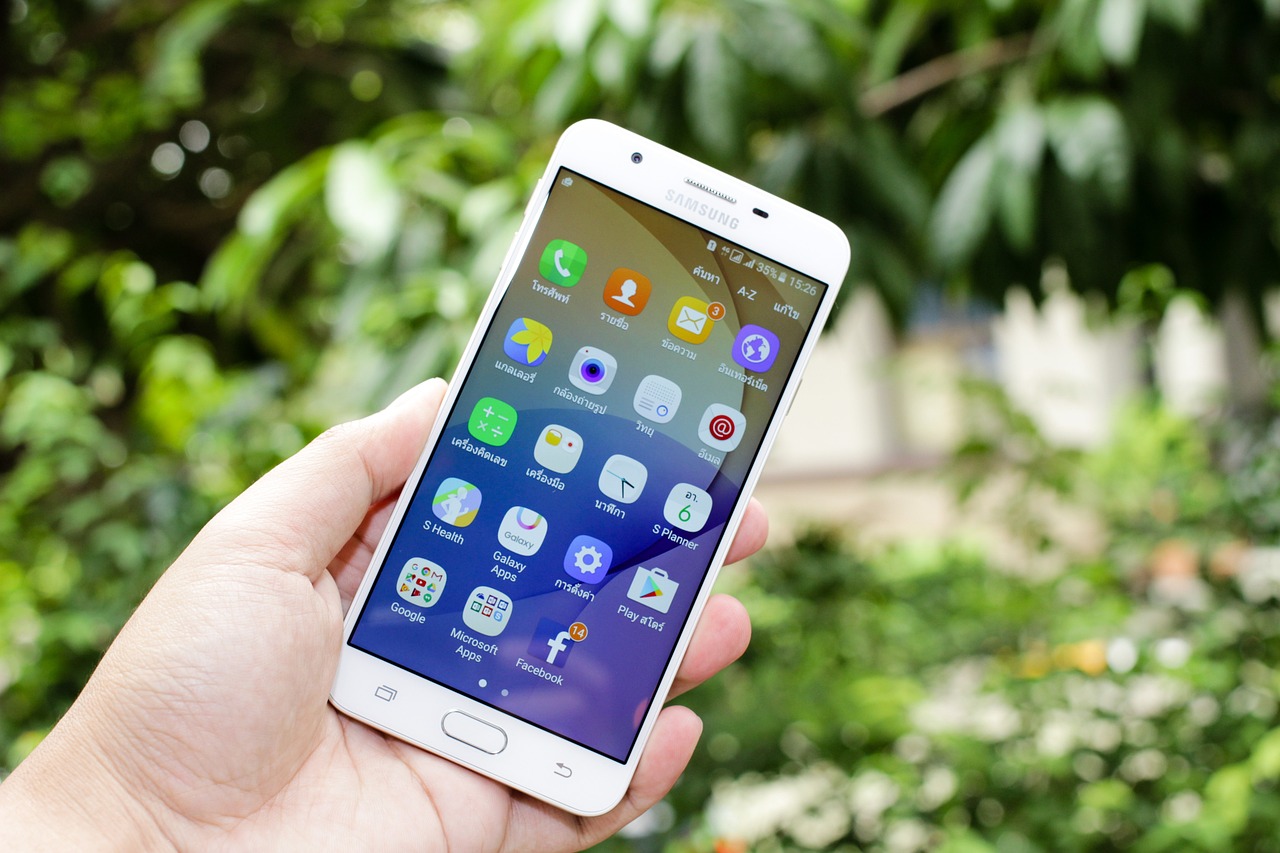
As we step into 2026, the integration of artificial intelligence (AI) in smartphones has reached unprecedented levels, revolutionising how we interact with technology. The capabilities of AI continue to expand, providing users with a more intuitive and efficient mobile experience.
From advanced photography to improved customer support, here’s how AI is transforming smartphones in 2026.
1. Enhanced photography
One of the most significant advancements in smartphone technology is the enhancement of photography through AI. Modern smartphones are now equipped with sophisticated AI algorithms that can analyse scenes in real time and automatically adjust camera settings.
This capability delivers stunning results across various lighting conditions. Moreover, features such as AI-driven portrait mode and enhanced low-light photography are now standard, making everyone from casual photographers to avid influencers thrilled with their smartphone camera performance.
AI now also offers real-time editing features, with suggestions for filters, enhancements, and composition adjustments. This means users can make the most of their photographs right after capturing them.
Apps and platforms like 10cric benefit from these advancements, as visual content becomes more engaging and dynamic.
2. Improved voice assistants
Voice assistants have become smarter and more integrated into our favourite devices. In 2026, AI-powered voice recognition has reached a level of accuracy and understanding that allows for natural conversations.
This enhancement means users can interact with their smartphones in a way that feels intuitive and seamless. Whether it’s sending messages, making calls, or even controlling smart home devices, AI-driven voice assistants can interpret context and deliver appropriate responses.
Moreover, advancements in multilingual capabilities enable these assistants to communicate fluently in multiple languages, catering to a global audience. This inclusivity has opened new avenues for user engagement, enabling greater accessibility and convenience.
3. Predictive maintenance and security
AI plays a crucial role in predictive maintenance for smartphones. With smart algorithms monitoring device performance, AI can predict potential issues before they become major problems. For example, if the system detects unusual battery drain or overheating, it can alert the user and suggest optimisations or timely servicing.
Additionally, security features have evolved significantly with AI advancements. Biometric authentication is now more sophisticated, using deep learning algorithms to enhance facial recognition and fingerprint scanning.
This improved security makes it difficult for unauthorised users to access devices, thereby protecting sensitive data. As smartphone users increasingly rely on their devices for banking and personal information, these AI-driven security measures are indispensable.
4. Gaming and immersive experiences
The gaming industry has witnessed a significant transformation due to AI technology in smartphones. Gamers can now enjoy more immersive experiences thanks to AI-driven graphics and gameplay enhancements.
AI is being used to create more realistic NPC behaviours and dynamic environments that adapt based on player actions, providing a tailored gaming experience.
Moreover, mobile gaming applications are integrating AI-driven analytics to improve user engagement. These analytics can suggest personalised content for more tailored experiences.
5. AI in customer support
With the increasing complexity of smartphones, customer support has also evolved. AI chatbots are now a standard feature in smartphone applications, providing users with instant support.
These bots can answer queries, troubleshoot issues, and even guide users through app functionalities without the need for human intervention. This efficiency not only enhances user satisfaction but also reduces wait times for assistance, making tech support more accessible than ever.
In addition, AI can learn from interactions to provide personalised assistance, creating a tailored experience for users based on their preferences and past behaviours.
The three best AI smartphones in 2026
As smartphone technology advances, artificial intelligence (AI) is playing an increasingly significant role in enhancing our mobile experience.
For mobile gamers and tech enthusiasts in India, the newest AI smartphones of 2026 promise to deliver powerful performance and intuitive features. Here, we take a look at the top three AI smartphones that stand out this year.
1. Samsung Galaxy S25 Ultra
The Samsung Galaxy S25 Ultra represents the pinnacle of Samsung’s innovation in AI technology. Boasting a sleek design and an expansive 6.9-inch Dynamic AMOLED display, this flagship device packs a punch with its AI-enhanced camera system, which excels in low-light conditions and delivers astonishing detail.
With a powerful Exynos 2400 processor, mobile gamers can enjoy seamless performance and rich graphics. The AI features extend to battery management and adaptive performance, automatically adjusting power usage based on task demands.
Gamers and tech enthusiasts will appreciate the enhanced user experience offered by One UI 6, which integrates advanced AI functionalities throughout the interface for personalised use.
2. Apple iPhone 16 Pro Max
Apple continues to push the boundaries of AI integration with its iPhone 16 Pro Max. Equipped with the A18 Bionic chip, this smartphone has unmatched processing power, making it a favourite among gamers and productivity users.
The AI functionalities improve photography and videography, delivering Smart HDR and computational photography features that make every shot stunning. The device’s battery life is optimised through machine learning, understanding usage patterns to extend uptime.
Furthermore, with the introduction of iOS 17, users can leverage sophisticated AI tools to enhance gaming experiences and streamline high-end mobile gaming through improved graphics and responsiveness, solidifying its position as a go-to smartphone for enthusiasts.
3. Google Pixel 9 Pro
The Google Pixel 9 Pro is a game-changer in the realm of AI smartphones. With its incredible AI capabilities powered by the tech giant’s Tensor G3 chip, this device offers a user experience that is both intuitive and personalised.
Mobile gamers will adore the Pixel’s AI-driven gameplay recommendations and optimised graphics for an immersive experience. The camera system leverages AI for advanced image processing, giving users the ability to capture breathtaking photos effortlessly.
The integration of Google Assistant has also become more incisive, allowing for voice commands that enhance productivity and control in gaming scenarios. Compact and user-friendly, the Pixel 9 Pro is a perfect blend of design, performance, and cutting-edge AI technology, making it a top choice for tech enthusiasts and gamers alike.
As we step further into 2026, these three smartphones—the Samsung Galaxy S25 Ultra, Apple iPhone 16 Pro Max, and Google Pixel 9 Pro—highlight the incredible leaps in AI technology within mobile devices.
Each phone offers unique advantages tailored to different user needs, making them the best choices for strategic gamers, mobile gamers, and gadget aficionados.
Final thoughts
Finally, as we enter an era where smartphones are inextricably woven into the fabric of daily life, the role of AI in enhancing functionality and user experience cannot be overstated. From breakthrough photography capabilities to smarter security measures, the technology is continually evolving.
As AI advances, we can only anticipate even more innovative applications in smartphones, ensuring that our devices remain not just tools, but vital companions in our everyday adventures. Whether you are a technology enthusiast, a mobile gamer, or a pro mobile user, 2026 promises to deliver even more exciting possibilities with AI at the helm.

Sachin Sharma is a Tech AI Writer and Chief Editor at N4GM.com, simplifying how AI is transforming education and smart learning since 2019. With deep SEO expertise, he delivers reliable insights on AI learning tools and EdTech trends, helping students and educators navigate the future of technology.