The Real Game-Changer Skill for AI Engineers in 2025? It’s Not Coding — It’s Communication.
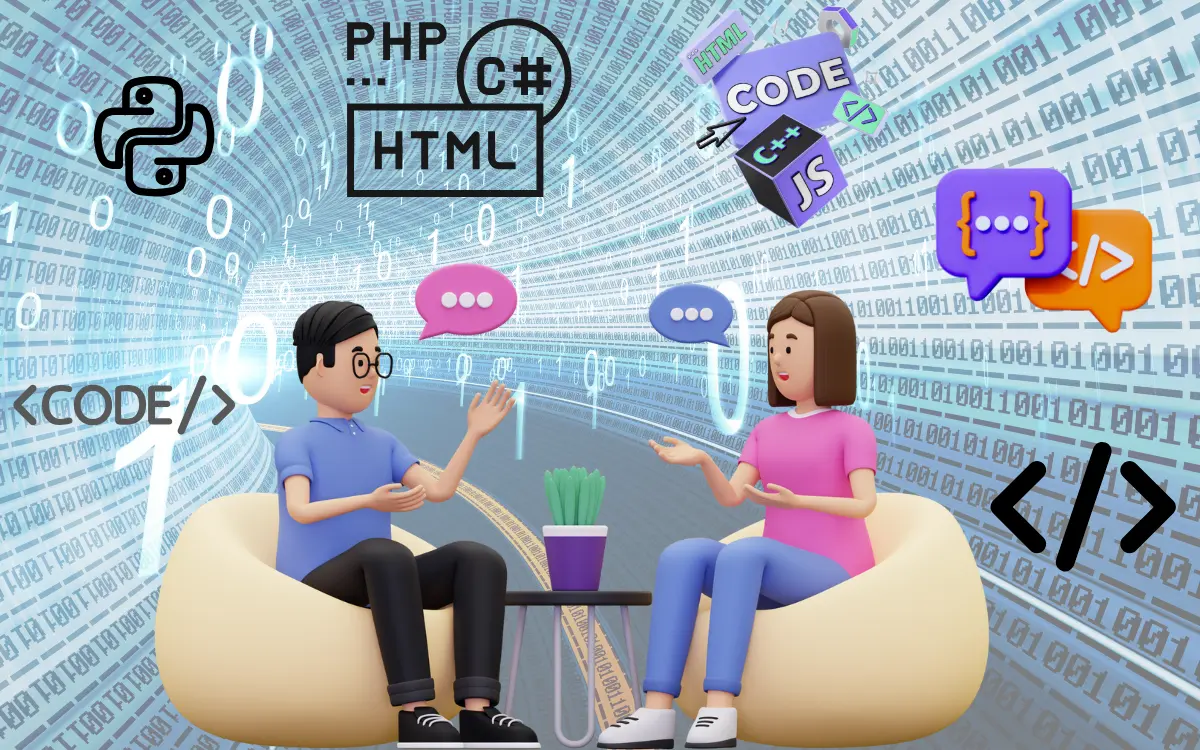
So there’s this common idea going around that “the best AI engineers in 2025 are just amazing coders.” And let’s be real — coding is important.
But if you ask me, the actual game-changer skill? It’s not technical. It’s not about how fast you can write a prompt. It’s about how clearly, confidently, and impactfully you can communicate.
Yes — communication is the skill that separates good engineers from unforgettable ones.
Wait — are you saying coding doesn’t matter?
Of course it matters. I work in AI/ML, and I deal with TensorFlow, Python, APIs, ML pipelines, and optimization every day.
But here’s the truth:
Anyone can learn to code. But communication? That’s a superpower.
We’ve reached a point in tech where technical skills alone won’t get you the seat at the table. You also need human skills — clear articulation, collaboration, storytelling, and understanding your audience.
A lot of tech skills that people consider “essential” are becoming outdated much faster than expected —I’ve openly shared some of the skills I’m intentionally choosing to skip.
My personal story — from below average coder to AI consultant
When I landed my first job in tech, I wasn’t the strongest coder in the room.
Honestly, I wasn’t even close.
Still, I got hired. Why?
- I could explain code to non-technical folks in plain English.
- I could represent engineering on client calls and convert tech talk into business outcomes.
- I could write clean, helpful documentation — without drowning readers in jargon.
Those soft skills? They kept increasing my value while my technical skills caught up.
AI is everywhere now — not just in research labs
AI isn’t just a niche or a trend anymore. It’s embedded into almost every industry:
- Banking uses it for fraud detection
- Marketing uses it for personalization
- Healthcare uses it for diagnostics
- Education uses it for custom learning paths
Gartner predicted that by 2026, over 80% of enterprise apps will have some form of generative AI embedded.
That means AI is no longer a side function — it’s a core layer across every system.
So, the companies that are hiring? They don’t just want people who can build AI. They want people who can explain AI.
With AI rewriting the rules every six months, staying relevant in tech is no longer about keeping up — it’s about staying sharp where it counts. I went deeper into that in this piece.
Communication is now a Top 3 Skill for AI Jobs
According to LinkedIn’s “Future of Work” report (2024), the Top 3 skills for AI roles are:
- Machine Learning
- Data Analysis
- Communication
If you can’t clearly explain what your model does, what problems it solves, or how people should interact with it — you’ve already lost.
When communication fails, projects crash
Some of the most painful tech failures happen not because the tech was broken — but because people didn’t understand it.

Real Example #1:
I once built a “Zero-shot communication model.”
The Product Manager thought it meant “0% success rate.”
We had to halt everything and create detailed explainers just to fix that confusion.
Real Example #2:
Built a fraud detection model for a fintech company.
The Finance team refused to use it — they didn’t trust the outputs because they didn’t understand the inputs.
End result? Delay. Rework. Frustration.
Whether it’s banks, healthcare, or even lean startups scaling from 0 to 1 — AI is baked into the stack now. I’ve covered how small teams are building at scale using AI in this breakdown.
Some data that’ll blow your mind
- 85% of employers say communication is the most important soft skill
- 64% of AI professionals say they should’ve learned storytelling earlier
- “Communication” is now mentioned more often in AI job listings than “TensorFlow” or “NLP”
The 2026 Skill Gap Poll
Which skill will be most valuable for students in the next 5 years?
Little AI Masters™ bridges this gap by merging both worlds.
Learn more about our missionThe new AI engineer is not sitting silently behind an IDE
You’re no longer just writing code in isolation.
Now, as an AI engineer, you need to talk to:
- Product Managers
- Designers
- Compliance teams
- Even sometimes end users or stakeholders
McKinsey’s research found that 72% of high-performing AI teams had regular cross-functional collaboration.
Low-performing teams? Less than 30%.
So yes — we’re not just writing prompts anymore. We’re teaching machines how to understand language. And that starts with how well we understand each other.
How to actually build your communication muscle
So how do you show your communication skill in real life?
Let’s break it down:
1. Start a blog
Write about your work, your process, or how you solved a tricky bug. Clarity wins.
2. Create simple video explainers
Reels, screen recordings, or even narrated demos.
3. Use tools like HeyGen or Descript
Turn your ideas into human-style explainers — fast.
4. Meet people IRL
Grab coffee. Attend meetups. Host a low-pressure tech talk.
5. Start small
- Explain your work on Slack or in a team meeting.
- Take an intro public speaking course.
- Record a 60-sec LinkedIn post explaining a concept.
One thing AI can’t replace: Human understanding
AI can autocomplete your code. It can write documentation summaries.
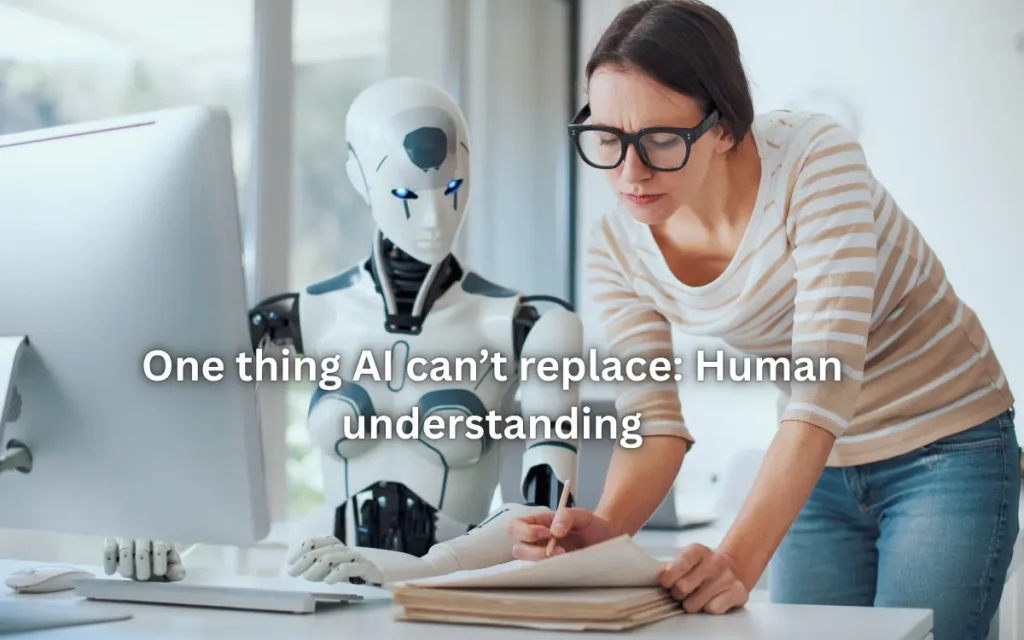
But here’s what it can’t do:
It can’t build trust like a real person.
That trust comes from human conversation. From empathy. From listening.
That’s why engineers who explain their systems well?
They’re the ones leading teams, setting roadmaps, and speaking at conferences.
Bottom Line: If you can explain it, you can lead it
In 2025, the AI engineers who win are the ones who translate tech for humans.
- Coding is your base layer.
- Communication is your multiplier.
If you can simplify your work, earn trust, and drive impact across departments —
You’re not just an engineer. You’re a leader.
Now it’s your turn…
👉 Did you also used to think communication was “soft” or “optional”?
👉 In your opinion, what’s the most underrated skill in today’s tech landscape?
Drop your thoughts in the comments — I read every one.
And yeah — I’ve added 4 upcoming video topic ideas below.
Vote now — whichever gets the most reactions, I’ll create next.
Bonus Question:
Was this article written by AI or by me? A or B?
Reply below and take a guess 😄

Sachin Sharma is a Tech AI Writer and Chief Editor at N4GM.com, simplifying how AI is transforming education and smart learning since 2019. With deep SEO expertise, he delivers reliable insights on AI learning tools and EdTech trends, helping students and educators navigate the future of technology.