How to Stay Relevant in Tech When AI Keeps Rewriting the Rules

Let’s be real for a second — what do you even do when something you’ve spent years learning just… changes? Like overnight?
You wake up, scroll Twitter or Hacker News, and bam — new AI model, new framework, new “best practice,” new job description. That thing you mastered? Outdated. That tool you loved? Replaced. That role you thought was future-proof? Suddenly under threat.
That’s the new normal in tech — and honestly, it’s kind of wild.
AI isn’t creeping in anymore — it’s sprinting through the front door, flipping the tables, and rewriting the rules as it goes. And it’s not slowing down anytime soon.
So now the question isn’t just “How do I stay ahead?” — it’s “How do I stay relevant at all?”
Let’s talk about it.
First, Let’s Clear Something Up — AI Isn’t The Real Problem
Yeah, you heard that right.
AI is not the problem. The real challenge? It’s the half-life of skills.
Every skill you learn has an expiration date. In tech, that half-life — aka the time it takes for half of what you know to become outdated — is just 2.5 years. In the AI space? It’s even faster.
Think about that for a second.
The things you mastered two years ago? They’re halfway to being irrelevant right now.
But I’m not saying this to scare you. I’m saying this to give you clarity — because if we know the problem, we can shift our approach.
This isn’t about learning more. It’s about learning differently.
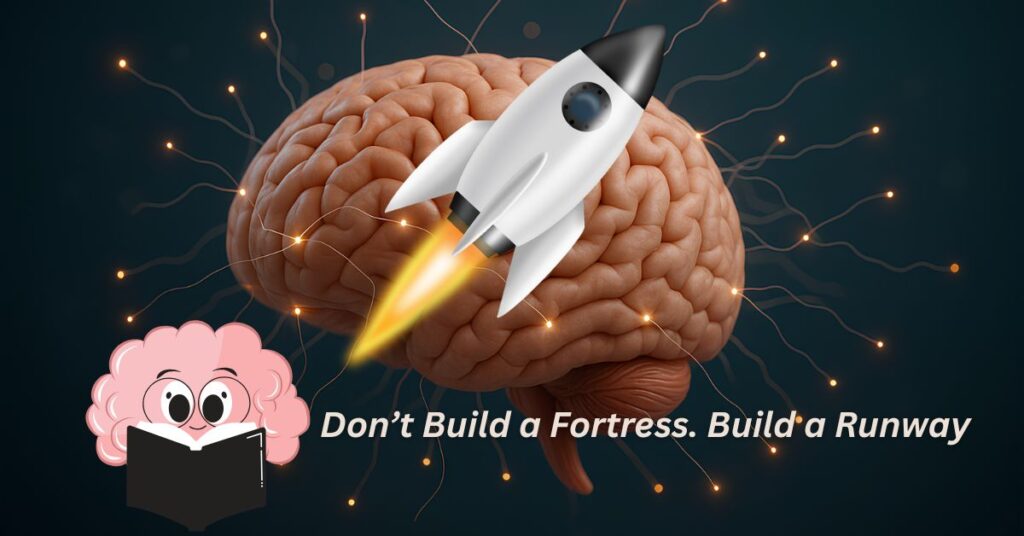
# Rule🛠️: Stop Building a Fortress of Knowledge. Start Building a Runway of Learning Velocity.
We’ve been trained to “master” things. Learn a language. Master a framework. Become the go-to expert.
But the game has changed.
You can’t outsmart the machine forever. It’s literally designed to learn faster than you.
But — and this is important — you can out-adapt it. You can learn fater than it evolves.
That’s the mindset shift: runway over fortress. Agility over mastery. Speed over status.
Here’s how:
1. Active Experimentation — Tiny Projects, Big Impact
Forget waiting for the perfect course or certification.
The real learning? It happens when you roll up your sleeves and start building.
- Play with open-source AI models.
- Spin up a quick chatbot.
- Run a mini project over the weekend.
- Break things. Fix them. Repeat.
This kind of hands-on chaos builds something no course can give you: intuition. That deep, internal sense of “Oh, I know what’s going on here.”
And intuition? That’s what helps you adapt — even when everything around you is changing.
2. Learn Publicly — Share as You Go
Look, I get it. Posting work-in-progress stuff online can feel awkward. But here’s the truth:
Learning in public is a cheat code.
Whether you’re tweeting a thread, publishing on a blog, posting videos on YouTube, or just sharing on LinkedIn — it forces you to clarify your thoughts. To teach what you’ve learned. To be honest about what you don’t understand yet.
And guess what? That visibility compounds.
You build a network. You attract opportunities. And most importantly, you build accountability.
3. Upgrade Your Info Diet — Follow Signal, Not Noise
Let’s face it — most of our feeds are full of hot takes and hype.
You need to tune out the noise and curate a radar system that actually helps you.
Here’s how:
- Follow trending GitHub repos.
- Subscribe to AI newsletters that don’t just regurgitate headlines.
- Skim through key research papers or their summaries.
- Track updates from developers, not just marketers.
Your mind is your input/output system — and just like a model, bad data in = bad results out.
So curate carefully.
4. Build a Stack, Not a Resume
Old way of thinking: “I know React.”
New way: “I understand components, state, declarative logic, design systems, and how users think.”
See the difference?
A resume tells people what you’ve learned. A skills stack shows them what you can do with what you’ve learned — and how those skills can transfer into new tools, new roles, or even new industries.
Frameworks come and go. Syntax changes. But patterns and principles? Those are forever.
5. Specialize, But Stay Portable
AI is a general-purpose beast. But the real winners? They’re the ones who go deep in a specific field and learn how to apply AI within that space.
You don’t have to be a PhD researcher. You don’t have to build models from scratch.
You just need to become a translator. Someone who understands both the domain and the tools.
Let’s say you work in law. AI might help you summarize contracts, but it won’t catch the subtle legal landmines unless you know what to look for.
Same goes for marketing, healthcare, design, product, finance—anything.
Pick a lane. Go deep. And learn how to make AI your co-pilot, not your competition.
6. Embrace the Co-Pilot Era — You’re Still in Charge
We’re officially in the co-pilot era of tech.
AI is no longer a “nice to have.” It’s becoming the default teammate in everything:
- GitHub Copilot writing code
- Notion AI outlining docs
- Adobe Firefly creating assets
But here’s the twist: AI doesn’t always get it right.
Stanford research showed that developers using AI tools coded faster — but also introduced more bugs.
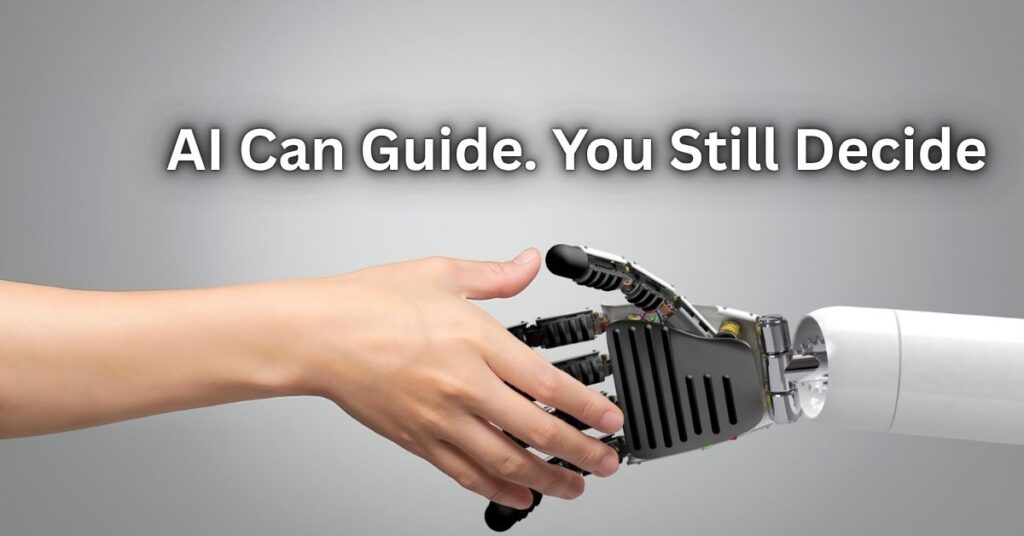
That’s your edge. AI can produce. You decide.
Your job is no longer just doing the task. It’s directing, reviewing, and refining what the AI does.
That’s your creative leverage. Your human edge.
7. This Isn’t a Checklist. It’s a Practice.
There’s no five-step formula to staying relevant in AI.
There’s no course that future-proofs you forever.
This is a daily practice — a mindset you carry with you:
- Stay curious
- Stay adaptable
- Stay connected
- Keep chasing what matters next
Some skills will fade. Some tools will break. Some jobs will disappear.
But if you keep learning how to learn — faster, smarter, and publicly — you’ll always find your place.
Final Thoughts: The Real Superpower? Adaptability
Even if you’re not a hardcore developer — this applies to you.
AI will touch everything. Your job isn’t to out-AI AI. Your job is to think critically around it. To be the strategist. The human filter. The decision-maker.
Use AI like a tool. Don’t let it become your brain.
There’s a reason humans are still in the loop — we’re creative, we’re contextual, and we’re capable of something no machine has mastered yet: real, intentional thinking.
💬 Over to You
How are you feeling about all this?
Are you overwhelmed? Excited? A little bit of both?
Let me know your thoughts — and let’s keep this conversation going. Because staying relevant in tech isn’t just about code or models or tools. It’s about people, mindsets, and how we choose to grow when eveything is changing.
Drop your comment below 👇
And hey — go build something messy today. That’s where the magic starts.
Written by Sachin Sharma
For creators, builders, and tech humans who still believe in thinking for themselves.
Would you like me to package this into a downloadable PDF, LinkedIn blog, or YouTube video script format? I can also help you create a carousel post or threaded tweet from this article if you’re planning to promote it.

Sachin Sharma is a Tech AI Writer and Chief Editor at N4GM.com, simplifying how AI is transforming education and smart learning since 2019. With deep SEO expertise, he delivers reliable insights on AI learning tools and EdTech trends, helping students and educators navigate the future of technology.